
Stories of Practice
What I Learned When I Tracked Where My Donated Clothes Actually Went
Mar
Name: Marcus T.
Location: Birmingham, AL
Practice: Understanding the donation system
I used to feel good about donating clothes. Bag them up, drop them off, move on. It felt responsible. Generous, even.
Then I started reading about what actually happens after the donation bin. And it changed how I think about everything I buy.
The numbers were hard to believe
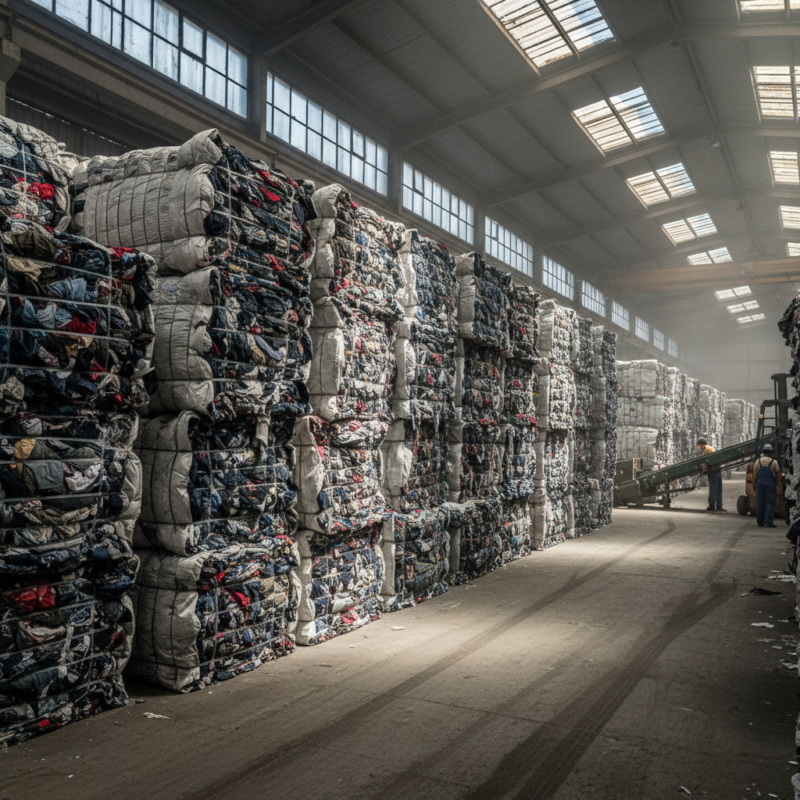
Only about 10-15% of donated clothing actually gets resold in thrift stores. The rest gets sorted, baled, and shipped — often to countries in West Africa or South Asia that are already overwhelmed with textile waste.
Some of it ends up in open-air markets where it undercuts local textile industries. Some of it ends up in landfills overseas. The clothes I thought I was “giving away” were often just becoming someone else’s problem.
What I do differently now
I still donate, but I’m more thoughtful about it. I make sure things are actually in good condition — not stained, not worn out, not missing buttons. If something is truly worn out, I find a textile recycling program instead of pretending donation is the answer.
But the bigger change is upstream. I buy less in the first place. I think about whether something will last before I bring it home. And I stopped telling myself that donating makes overconsumption okay.
The uncomfortable part
Honestly, I still slip up. I bought a hoodie last month that I didn’t really need. But now I notice when I do it. That awareness is the practice.
