
Learn
Microplastics in Clothing: What You Need to Know About Synthetic Fabrics
Mar
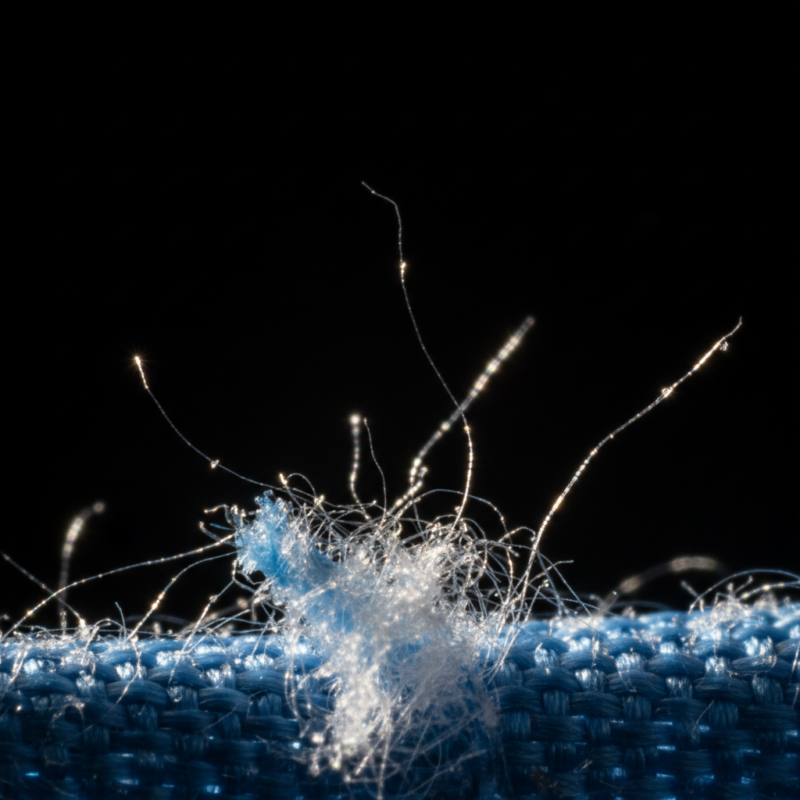
Every time you wash a polyester shirt, it sheds tiny plastic fibers into the water. These microplastics are too small for most water treatment plants to catch. They end up in rivers, oceans, and eventually in the food chain.
It’s one of the less visible environmental impacts of modern clothing, but it’s significant.
What are textile microplastics?
Microplastics are plastic fragments smaller than 5 millimeters. When synthetic fabrics like polyester, nylon, and acrylic are washed, they release these tiny fibers. A single load of laundry can release more than 700,000 microplastic fibers, according to research published in Marine Pollution Bulletin.
Roughly 60% of all clothing produced globally contains polyester, making this a massive-scale issue.
Where do textile microplastics end up?
- Oceans: An estimated 35% of ocean microplastics come from synthetic textiles
- Drinking water: Microplastics have been found in tap water samples worldwide
- Food: They enter the food chain through water systems, and have been detected in fish, shellfish, salt, and honey
- Air: Microplastic fibers have been found in atmospheric samples, meaning we’re inhaling them too
What you can do
You don’t need to throw out all your synthetic clothing (that would create more waste). But there are practical steps:
- Wash less frequently. Not every wear requires a wash. Spot clean when possible. Air out between wears.
- Wash on cold, gentle cycles. Higher temperatures and aggressive agitation release more fibers.
- Use a microplastic filter. Devices like the Filtrol or Lint LUV-R attach to your washing machine and catch synthetic fibers. Guppyfriend bags serve a similar purpose for individual loads.
- Choose natural fibers when buying new. Cotton, wool, linen, and hemp don’t shed plastic. They have their own environmental trade-offs, but microplastic pollution isn’t one of them.
- Buy higher quality synthetics. Tightly woven, well-constructed synthetic fabrics shed fewer fibers than cheap, loosely woven ones.
Keeping perspective
Microplastic pollution from clothing is a real problem, but it’s one piece of a larger picture. The biggest impact most people can have is still reducing overall consumption and extending the life of what they already own.
Awareness of microplastics helps you make better choices when you do need to buy something new. It’s one more factor to weigh, not one more thing to feel guilty about.
