
Learn
Greenwashing Examples: How to Spot Misleading Sustainability Claims
Mar
If you’ve ever felt confused by a brand claiming to be “sustainable” while selling hundreds of new products per week, you’ve encountered greenwashing.
Greenwashing is when a company spends more time and money marketing itself as environmentally friendly than actually reducing its environmental impact. Here’s how to spot it.
Common greenwashing tactics
1. Vague language with no specifics
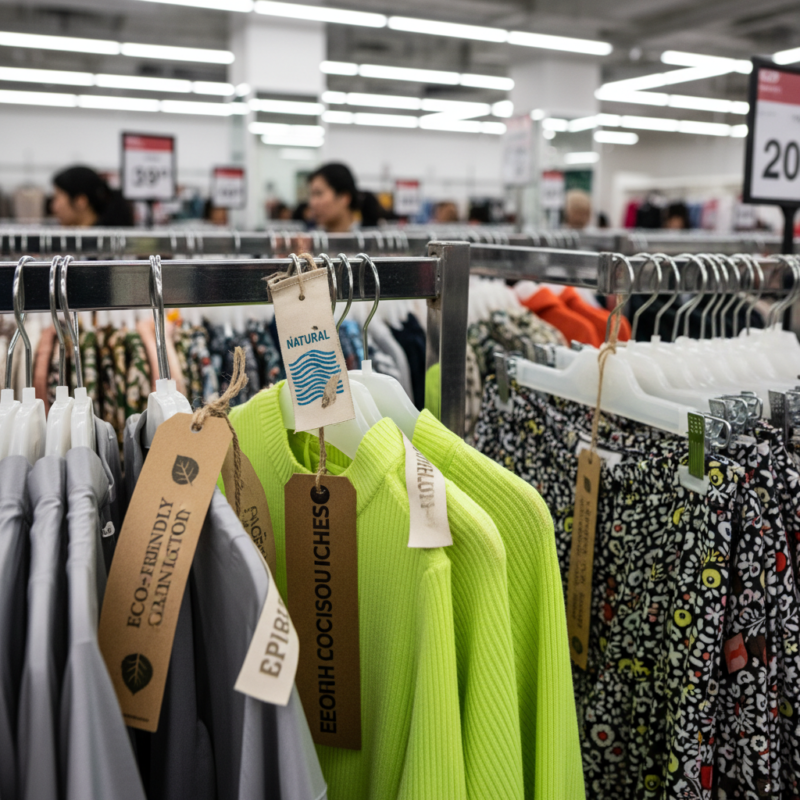
Terms like “eco-friendly,” “natural,” “green,” and “conscious” have no legal definition. Any brand can use them. When you see these words without specific data or third-party certification, that’s a red flag.
2. The “sustainable collection” that’s 1% of production
A brand produces 10,000 styles per year and creates a 20-piece “eco” line. The marketing focuses on those 20 pieces. The other 9,980 styles get no scrutiny. The sustainable collection exists to change your perception, not the company’s practices.
3. Recycled packaging, not recycled products
Shipping your fast fashion purchase in a recyclable mailer doesn’t offset the environmental cost of producing the garment itself. Packaging improvements are good, but they address a fraction of the total impact.
4. Carbon offset claims without reduction
“Carbon neutral” often means a company bought carbon credits rather than actually reduced its emissions. Carbon offsets are controversial because many projects don’t deliver the reductions they promise.
5. Cherry-picked data
“Made with 30% recycled materials” sounds good until you realize the other 70% is virgin polyester. Or that “recycled” means recycled plastic bottles, not recycled clothing. Less than 1% of old clothes get recycled into new clothes.
How to evaluate sustainability claims
You don’t need to become an expert. Just ask these three questions:
- Is the claim specific? “Reduces water usage by 20% compared to conventional cotton production” is meaningful. “Eco-friendly” is not.
- Is there third-party verification? Certifications like GOTS, OEKO-TEX, Fair Trade, or B Corp involve independent auditing. Self-awarded labels mean nothing.
- Does the company’s overall behavior match the claim? A brand producing 52 collections per year while promoting a small “sustainable” line has a credibility problem.
Why this matters
Greenwashing doesn’t just waste your money on products that aren’t what they claim. It erodes trust in legitimate sustainability efforts and makes it harder for genuinely responsible companies to stand out.
The best defense is informed skepticism. Not cynicism, just clarity about what words actually mean and what data actually shows.
