
Learn
What Actually Happens to Donated Clothes? The Truth Most People Don’t Know
Mar
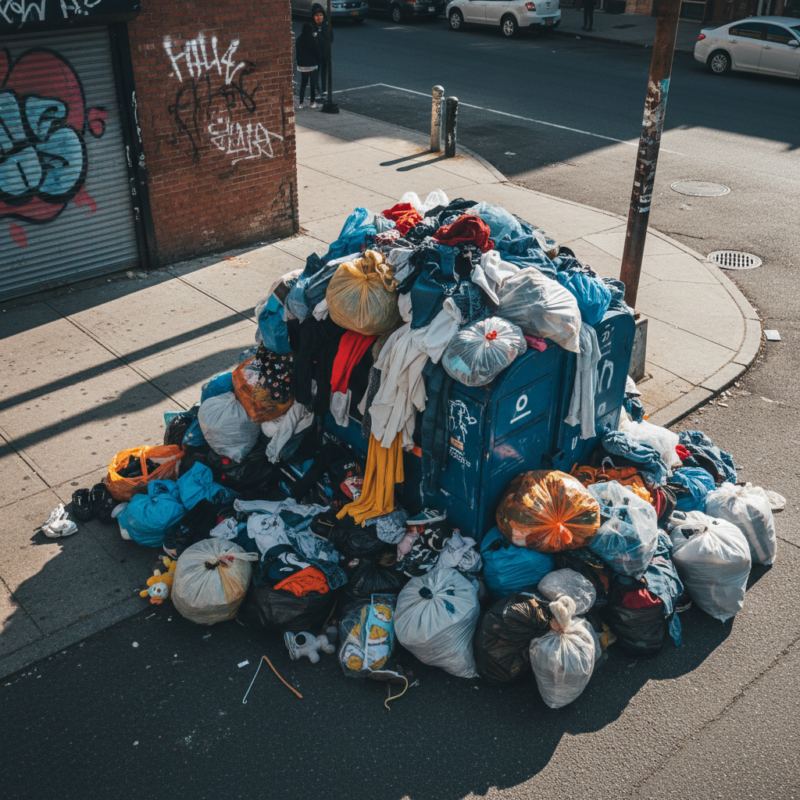
You bag up your old clothes, drop them at a donation bin, and feel good about it. Someone in need will wear them, right?
The reality is more complicated than most people realize.
The numbers behind clothing donation
According to research from the EPA and textile industry reports, Americans donate roughly 4.7 billion pounds of clothing each year. That sounds like a positive thing. But here’s what happens next:
- Only 10-15% of donated clothing is actually resold in U.S. thrift stores
- About 45% gets sorted, compressed into bales, and exported internationally
- The rest ends up in landfills or is shredded for industrial rags and insulation
The donated clothing that gets exported often goes to countries in West Africa, East Africa, and South Asia. In places like Accra, Ghana, the Kantamanto market receives roughly 15 million garments per week. About 40% of those are considered waste on arrival, too damaged or low-quality to resell.
Why “donate it” isn’t always the answer
Donation has become a way for consumers to feel okay about overconsumption. Buy too much, donate the excess, repeat. But donation doesn’t undo the environmental cost of producing those clothes in the first place.
The carbon emissions, water usage, and chemical pollution that went into making a fast fashion t-shirt don’t disappear because you dropped it in a Goodwill bin.
And when those clothes end up overseas, they can undercut local textile industries. Countries that once had thriving garment sectors now import secondhand clothing from wealthier nations, making it harder for local manufacturers to compete.
What you can do instead
Donating is still better than throwing clothes in the trash. But it’s not the sustainability solution it’s marketed as. Here’s what actually moves the needle:
- Buy less. The most effective thing you can do is not acquire clothing you don’t need in the first place.
- Buy quality. Clothes that last longer stay out of the waste stream longer.
- Repair first. A broken zipper or missing button doesn’t mean an item is done.
- Donate thoughtfully. Make sure items are clean, in good condition, and actually wearable. Don’t donate what you wouldn’t give to a friend.
- Find textile recycling. For truly worn-out clothes, look for textile recycling programs rather than putting them in a donation bin.
The bottom line
Donation is a partial solution, not a complete one. Understanding what happens after you donate helps you make better decisions before you buy. And that upstream thinking is where the real impact lives.
