
Learn
Is Fast Fashion Really That Bad? What the Data Actually Shows
Mar
You’ve probably heard that fast fashion is bad for the environment. But how bad is it, really? And is your $12 t-shirt actually contributing to a global problem?
Let’s look at what the data shows, without the guilt trips.
The scale of the problem
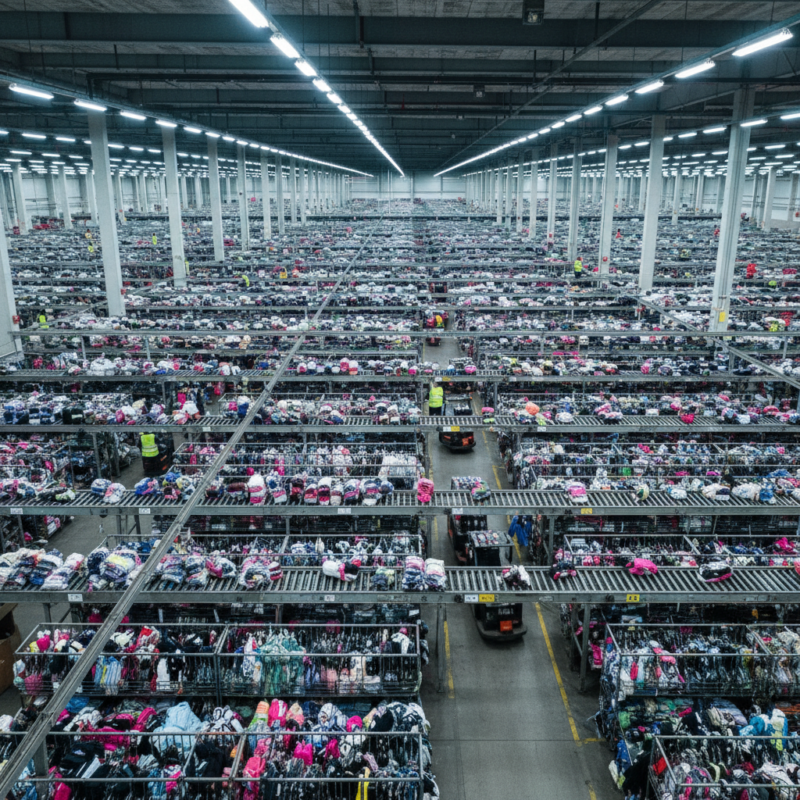
The fashion industry produces an estimated 100 billion garments per year globally. That’s about 14 items for every person on Earth, every year. The average American buys roughly 68 garments per year, more than one per week.
The environmental cost of this volume is significant:
- The fashion industry accounts for roughly 8-10% of global carbon emissions, more than international flights and shipping combined
- It takes about 2,700 liters of water to produce a single cotton t-shirt, enough drinking water for one person for 2.5 years
- Textile dyeing is the second-largest polluter of clean water globally, after agriculture
- Less than 1% of clothing is recycled into new clothing
Why fast fashion is different from just “cheap clothes”
Fast fashion isn’t just about price. It’s a business model built on speed and volume. Brands like Shein can go from design to product in as little as 3 days. The goal is to create constant novelty so you always feel like you need something new.
This model depends on:
- Overproduction: Brands produce more than they can sell, knowing they’ll discount or destroy the rest
- Low durability: Clothes are designed to be worn a handful of times, not for years
- Trend cycling: Micro-trends change weekly, making last month’s purchase feel outdated
But what about “sustainable” fast fashion?
Many fast fashion brands now have “conscious” or “eco” collections. These are worth examining critically.
A 2021 report by the Changing Markets Foundation found that 59% of sustainability claims by European and UK fashion brands were misleading. Labels like “made with recycled materials” might mean only a small percentage of the fabric is recycled. “Organic cotton” collections might represent less than 1% of a brand’s total production.
This doesn’t mean every sustainability effort is fake. But it does mean the burden falls on consumers to look past marketing language.
What actually helps
The most effective thing any individual can do is simple, and it doesn’t require buying anything:
- Wear what you already own. Extending the life of a garment by just 9 months reduces its carbon, water, and waste footprints by about 20-30%.
- Buy fewer, better things. One well-made jacket you wear for 5 years has less impact than five cheap ones you wear for a season each.
- Question the urge. Before buying, ask: “Would I wear this 30 times?” If not, it’s probably not worth it.
Fast fashion is a systemic problem that individuals alone can’t fix. But understanding how the system works helps you make choices that don’t feed it.
